Floating Heritage
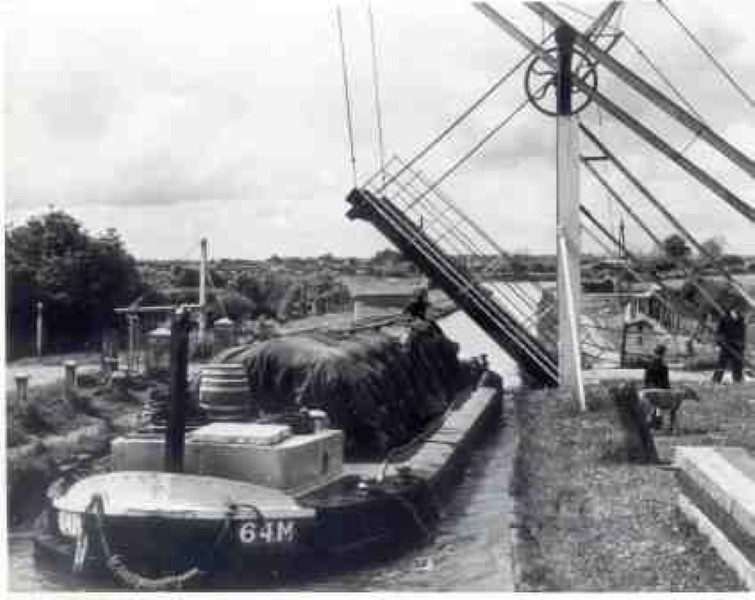
Many traditional heritage boats, barges from the Grand and Royal Canals for example, require maintenance and restoration. This knowledge and skill is retained within the boating community and passed on to new members as well as intergenerationally – many current boat owners have fostered and nurture
| Location | Throughout the inland waterways of Ireland |
|---|---|
| Categories | Knowledge and practices concerning nature and the universe、Oral traditions and expressions, including language、Traditional craftsmanship |
| Keywords | Boating, maritime, crafts |
| Contact organisation | Waterways Ireland |
Background information
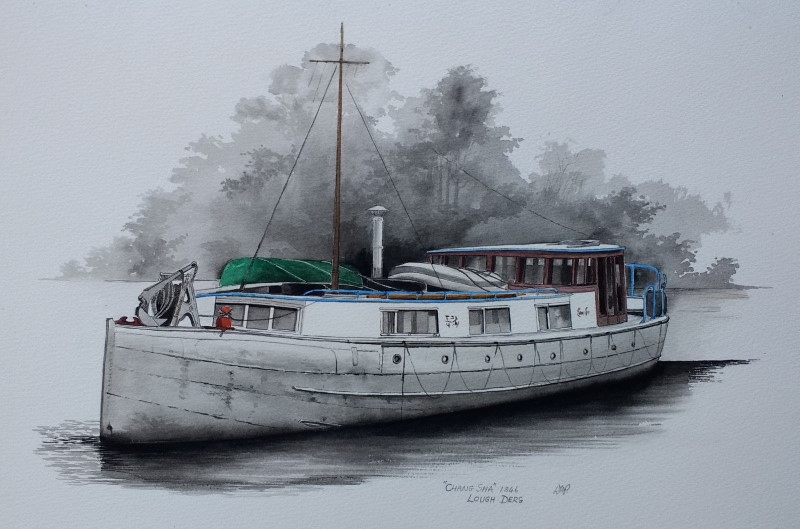
Many traditional heritage boats, barges from the Grand and Royal Canals for example, require maintenance and restoration. This knowledge and skill is retained within the boating community and passed on to new members as well as intergenerationally – many current boat owners have fostered and nurtured this love of floating heritage in their children and grandchildren.
Practice and practitioners
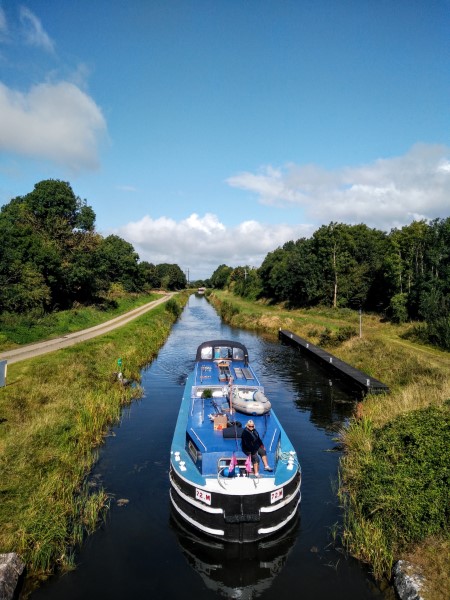
Floating heritage incorporates inherited traditions from the past (traditional skills required to maintain the vessels) but also contemporary rural and urban practices in which diverse groups take part e.g. the Walk with the Big Boats annual festival which fosters connections between land based communities along our navigations and the boaters who traverse the waterways on their heritage craft;
The Heritage Boat Association, Inland Waterways Association of Ireland and Waterways Ireland have developed a range of initiatives to make Floating Heritage an inclusive living heritage. This is accomplished through annual events such as HBA and IWAI rallies to communities throughout the waterways. Events run by these organisation contribute to social cohesion throughout the inland waterways, encouraging a sense of identity and shared heritage which helps individuals to feel part of society at large. There are knowledge sharing initiatives such as the restoration of the 45M (one of the last remaining intact M Barges) which was a collaboration between the HBA, Waterways Ireland and the Heritage Council.
Floating heritage thrives on its interaction with waterway communities and depends on those whose knowledge of traditions, skills and customs is passed on to the rest of the community, from generation to generation, or to other communities. This is a core tenet of the outreach work and knowledge sharing undertaken by the HBA, IWAI and Waterways Ireland.
By embedding its activities in waterway communities throughout the Island of Ireland Floating heritage is recognised as a unique heritage element by the communities, groups and individuals that create, maintain and transmit it.
Development, transmission and safeguarding
Development: Floating heritage is developed by the boating groups such as the HBA, IWAI, Meitheal Mara, AK Ilen and Seo Sionna. This is accomplished through festivals, awareness raising lectures and practical workshops. State Agencies such as Waterways Ireland, local authorities, Heritage Council and LEADER companies also play an important role through grant aid and operational supports.
The knowledge and skill to maintain and manage the boats is retained within the boating community and passed on to new members as well as intergenerationally. In addition the partnerships developed with organisations such as Waterways Ireland also ensure that Floating Heritage and its practices are documented and made available to this and future generations.
This knowledge is transferred using peer to peer community based training and upskilling
Waterways Ireland, through its Heritage Plan 2016-2020, strives to document, preserve, promote and safeguard Floating Heritage through the following means:
Inland Waterways Association of Ireland
Darina & John Tully, Waterways Ireland Traditional Boat Surveys